
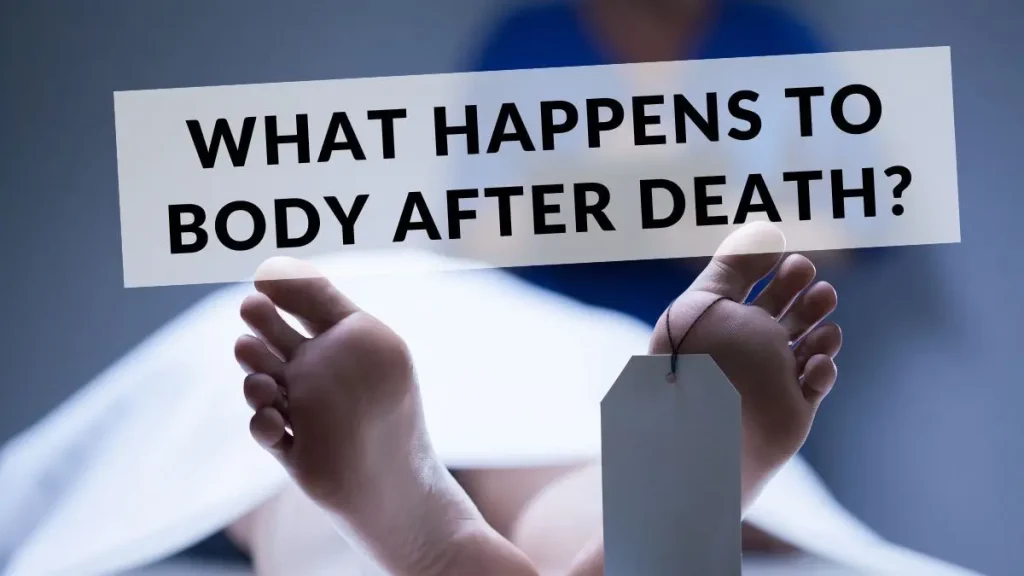
What Happens When Someone Dies: Key Medical and Biological Facts
The process of dying involves distinct biological phases, physical post-mortem changes, and clear boundaries between medical science and philosophical belief.
1. The Medical Definition of Death
-
Irreversible Cessation: Medical death is defined as the permanent loss of vital functions that sustain life—specifically circulation, respiration, and brain function.
-
Cardiac Arrest vs. Irreversible Death: Cardiac arrest occurs when the heart stops pumping effectively, which can often be reversed using CPR or defibrillation if treated quickly. Once tissue damage becomes irreversible, life cannot be restored.
2. Brain Function and Consciousness
-
Oxygen Deprivation: When circulation ceases, oxygen stops reaching the brain, causing rapid loss of consciousness and deterioration of brain cells.
-
Hearing During Dying: Some brain activity related to hearing may briefly persist during the dying process, but no evidence shows a person continues to hear once irreversible death has occurred.
-
Near-Death Experiences (NDEs): Reports of peace, seeing lights, or out-of-body sensations from resuscitation survivors are actively studied. Scientists attribute these to physiological processes—such as brain activity under oxygen deprivation—rather than proof of an afterlife.
3. Physical Changes After Death
Once active metabolic regulation stops, the body undergoes several natural post-mortem stages:
-
Cooling (Algor Mortis): The body stops generating heat and gradually adjusts to the temperature of its surroundings.
-
Color Changes (Livor Mortis): Circulation stops, causing skin paleness and allowing gravity to pull stagnant blood into the lower parts of the body.
-
Stiffening (Rigor Mortis): Muscles initially relax, then stiffen due to post-mortem chemical shifts, and eventually relax again as tissues break down.
-
Breakdown (Decomposition): Tissues progressively break down due to cellular collapse and microbial activity, a process heavily influenced by temperature, humidity, and burial or cremation conditions.
4. Science vs. Faith: What We Do and Don’t Know
-
What Science Explains: Modern medicine accurately tracks and explains physical decay, cell death, and the complete cessation of bodily functions.
-
The Limits of Science: Science cannot test or prove the existence of a soul, an afterlife, heaven, hell, or reincarnation. These remain questions of faith, religion, and philosophy rather than verifiable medical facts.
ALSO READ | If You Eat one Boiled Egg Every Day, This is What Happens to Your Body